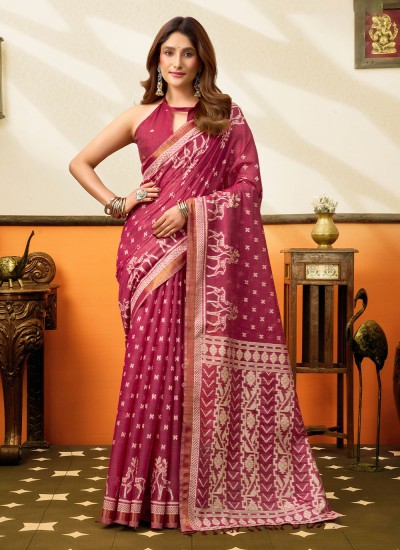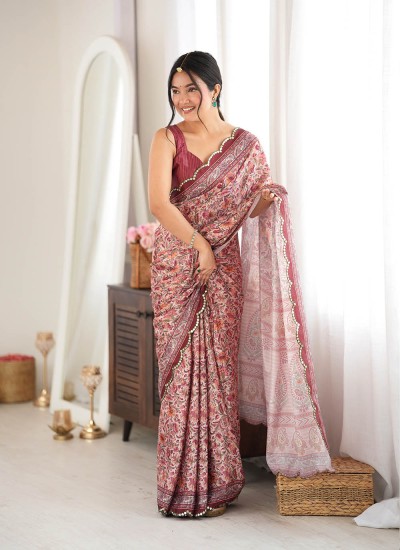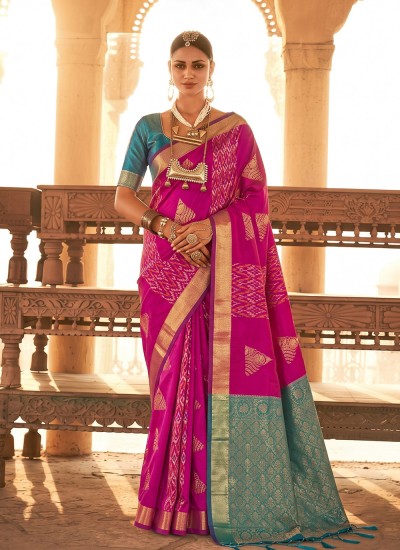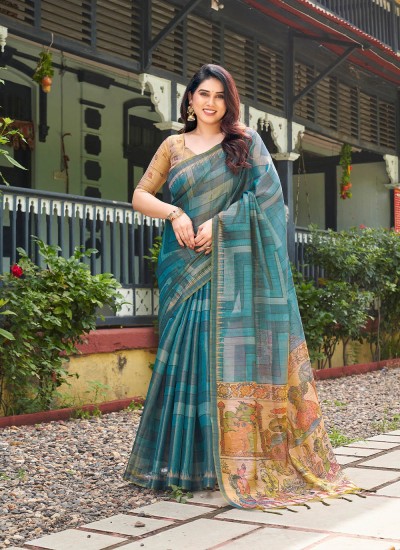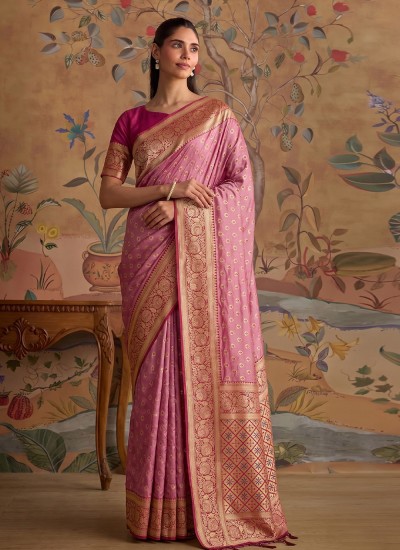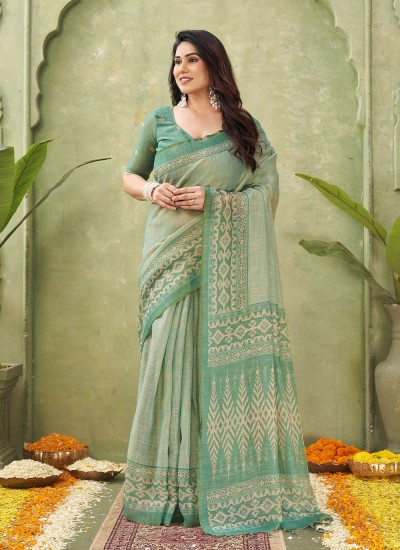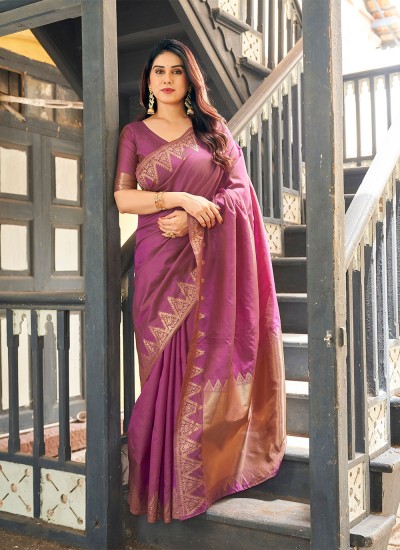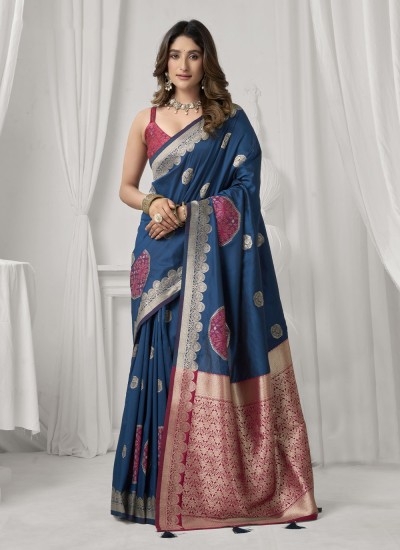



Running a successful saree boutique requires more than selecting attractive designs. Boutique owners need to understand customer preferences, manage inventory carefully, compare wholesale suppliers, and source sarees that fit their store's pricing strategy. Choosing the right supplier can influence product variety, purchasing decisions, stock availability, and the overall shopping experience offered to customers. For boutique businesses looking to expand their collections, Saree Wholesale in Surat is a relevant sourcing option because Surat has an established textile and saree trading industry.
Whether you operate a neighbourhood boutique, a premium ethnic wear store, a multi-brand fashion outlet, or an online saree business, your sourcing strategy should match your target audience. The objective is not simply to purchase more sarees. It is to build a commercially suitable collection that reflects your customers' preferences and supports repeat purchases. By evaluating wholesale catalogues, comparing product options, and maintaining communication with suppliers, boutique owners can develop a more structured purchasing process.
Surat is widely associated with textile trading and the distribution of sarees and other Indian ethnic wear. For boutique owners, exploring the Surat wholesale market can provide opportunities to compare different product categories, design options, and price ranges before placing orders. The suitability of a supplier depends on the actual products available, purchasing terms, order requirements, and the needs of the boutique.
When researching Saree Wholesale in Surat, boutique owners should begin by defining their store's product positioning. A boutique serving customers who prefer everyday ethnic wear may require a different assortment from a store specialising in festive collections, wedding shopping, or premium occasion wear. Understanding this distinction helps buyers shortlist relevant products instead of purchasing inventory solely because a design looks attractive.
Wholesale sourcing can also help boutique owners organise their buying around specific customer segments. Rather than selecting every available design, buyers can compare collections according to occasion, styling preferences, customer budgets, and expected demand. This approach makes supplier evaluation more practical and helps keep purchasing decisions connected to the boutique's business model.
Selecting a wholesale supplier should involve more than comparing the displayed prices of individual sarees. Boutique owners need to understand the product range, order conditions, communication process, dispatch arrangements, and availability of accurate product information.
Start by reviewing the supplier's catalogue. Check whether the available designs match the style and price positioning of your boutique. If your customers prefer contemporary printed sarees, for example, prioritise suppliers whose actual catalogue includes suitable options. If your boutique focuses on traditional or occasion-based collections, evaluate the relevant products separately.
Next, ask for the purchasing terms before confirming an order. Clarify the minimum order quantity, where applicable, the available assortment, payment terms, dispatch timelines, and the process for handling damaged or incorrect goods. These details should be confirmed directly with the supplier rather than assumed from a general wholesale listing.
When comparing Saree Wholesale in Surat suppliers, consider the total cost of purchasing and selling the products. The invoice price is only one part of the calculation. Freight, packaging, applicable taxes, payment charges, and potential unsold inventory can affect the final economics of a purchase. A supplier offering a lower displayed price may not necessarily provide the best overall value for your boutique.
Finally, assess communication quality. Clear product descriptions, timely responses, and transparent purchasing terms make it easier to plan orders and resolve questions before dispatch. Boutique owners should prefer suppliers who can explain the details of the products being offered and provide clear information about the ordering process.
An effective boutique collection begins with customer understanding. Before purchasing wholesale sarees, review which designs customers ask about, what they purchase most frequently, which price ranges generate enquiries, and which products receive attention but rarely convert into sales.
For a boutique serving everyday shoppers, practical and versatile designs may be an important part of the assortment. A store targeting festive shoppers may need a stronger selection of occasion-oriented styles. Boutiques serving a premium audience may prioritise design presentation, product detailing, and the overall shopping experience.
The right assortment will vary by location, audience, season, and store positioning. Avoid assuming that a particular saree category will perform equally well for every boutique. Instead, use previous sales, customer feedback, and enquiry data to guide purchasing decisions.
When exploring Saree Wholesale in Surat for boutique owners, organise shortlisted products into clear categories. This allows you to compare similar products and avoid building a collection with too many overlapping designs. A balanced assortment can give customers meaningful choices while helping the boutique manage available shelf space and purchasing budgets.
It is also useful to distinguish between established sellers and new products being tested. Products with a proven sales history may justify repeat orders, while unfamiliar designs can be evaluated through smaller purchases where the supplier's terms permit. This reduces reliance on guesswork and gives the boutique a more disciplined approach to inventory decisions.
Small boutiques often face a different sourcing challenge from large retailers. They may need variety without committing too much capital to a single product category. For these businesses, purchasing decisions should account for available cash, storage capacity, expected demand, and the speed at which existing inventory sells.
Before placing an order, estimate how much stock your boutique can reasonably sell within a chosen period. Review current inventory and identify the categories that genuinely need replenishment. Buying additional products that closely resemble slow-moving stock can tie up capital that might be better allocated to other customer preferences.
Ask the supplier whether designs can be purchased in smaller quantities, whether assorted selections are available, and whether repeat orders depend on current stock availability. These conditions vary by supplier and product, so confirm them before making a financial commitment.
Boutique owners researching Saree Wholesale in Surat should also compare the difference between purchasing for variety and purchasing for volume. A broad collection may help a boutique test customer preferences, whereas larger quantities of proven products may suit a business with reliable sales data. The appropriate choice depends on the boutique's demand, budget, and supplier terms.
Maintain a record of each purchase, including product descriptions, quantities, landed costs, and sales performance. Over time, this information can reveal which categories deserve more attention and which require more cautious purchasing.
A wholesale purchase should be evaluated against the likely selling price and the full cost of bringing the product into the boutique. Simply subtracting the wholesale price from the retail price does not always provide an accurate picture of profitability.
For example, suppose a boutique purchases a saree for ₹800 and spends another ₹50 per unit on allocated transport and handling costs. Its initial product cost becomes ₹850, before any other applicable expenses. If the boutique sells the saree for ₹1,200, the difference is ₹350. This is the gross amount remaining before other business costs, discounts, payment charges, and taxes where applicable.
This example is illustrative, not a quotation or a recommended market price. Actual costs and selling prices depend on the product and the business.
Boutique owners should also consider inventory turnover. A product that generates a larger margin but remains unsold for a long time may be less useful than a product that sells consistently at a suitable margin. Regularly reviewing sales data helps identify whether pricing, product selection, or promotional activity needs adjustment.
When comparing Saree Wholesale in Surat options, assess suppliers using a consistent framework. Compare equivalent products where possible, record the full cost of each purchase, and avoid assuming that a lower wholesale price automatically creates a more profitable retail opportunity.
Boutique owners do not always need to visit every supplier in person to begin evaluating potential collections. Online catalogues can help buyers review available designs, identify relevant products, and prepare questions before contacting a wholesaler. However, online sourcing requires careful verification because photographs may not communicate every product detail accurately.
Before ordering, check the available product description and ask for clarification about fabric, dimensions, colour variations, design details, and other specifications relevant to the particular product. Do not assume that two visually similar sarees use the same material or have identical finishing.
Where practical, request additional product photographs or other available verification before placing a large order. Confirm the dispatch process, payment conditions, and the supplier's policy for handling discrepancies. Keep written records of the details agreed upon.
For boutique owners exploring Saree Wholesale in Surat, online sourcing can support faster product comparisons and help create a shortlist of suitable suppliers. It should still be supported by clear communication and a careful review of purchasing terms.
Digital catalogues can also improve internal buying decisions. Boutique teams can record product references, compare shortlisted options, and maintain a list of items to reorder or evaluate later. This creates a more consistent process than relying exclusively on memory or informal conversations.
One common mistake is purchasing large quantities of a design before understanding customer demand. An attractive product photograph does not guarantee that customers will buy the product at the intended retail price. Where possible, test unfamiliar designs in manageable quantities before expanding the order.
Another mistake is comparing suppliers without accounting for differences in product specifications. Sarees may look similar in photographs but differ in material, detailing, finishing, and other important characteristics. Price comparisons are meaningful only when the products and purchasing terms are reasonably comparable.
Boutique owners should also avoid ignoring repeat-order conditions. A design that sells well may not remain available indefinitely. Ask suppliers about current availability and the process for checking stock before planning future replenishment.
Poor inventory records create additional problems. Without purchase and sales data, boutique owners may reorder products that are already overstocked or overlook categories with consistent demand. A simple spreadsheet recording product references, quantities, costs, sales, and reorder decisions can improve buying discipline.
Finally, do not rely on unverified claims about product quality, delivery dates, or supplier capabilities. Confirm important terms directly and retain written order details. Careful verification is especially important when developing a new wholesale relationship.
Ajmera Fashion provides an online platform for buyers exploring saree and ethnic wear collections for wholesale purchasing. Boutique owners can review relevant product options and contact the business to clarify availability, pricing, order requirements, and other purchasing details.
Before finalising an order, identify the products that suit your boutique's customers and confirm the applicable terms. Buyers should verify product specifications, quantities, payment conditions, and dispatch arrangements directly rather than relying on assumptions.
If you are planning to expand your ethnic wear collection, reviewing a wholesale catalogue can help you identify relevant designs and prepare a more focused buying enquiry. This makes the discussion more productive because you can ask specific questions about the products you are considering.
For businesses evaluating Saree Wholesale in Surat, a structured approach to product selection and supplier communication can support more informed purchasing decisions. The aim is to build a collection that fits your customers, protects your working capital, and supports the long-term development of your boutique.
Start by reviewing online wholesale catalogues, identifying suppliers whose product ranges match your boutique, and comparing product information and purchasing terms. Confirm prices, order quantities, availability, payment conditions, and dispatch arrangements directly before placing an order.
Surat is an established textile trading centre, making it a relevant location to explore for saree sourcing. Whether a particular supplier is suitable depends on its catalogue, product specifications, pricing, order requirements, and ability to meet your business needs.
Review product details, total purchasing cost, order quantity, stock availability, payment terms, dispatch timelines, and policies for damaged or incorrect products. Check that the selected collection matches your customers and retail price positioning.
Some suppliers may support smaller orders, while others may have minimum quantity requirements. Boutique owners should ask about minimum order quantities, assorted designs, and purchasing conditions before confirming an order.
Calculate the product's landed cost by including the purchase price and relevant costs such as freight and handling. Compare this with the actual selling price, then account for discounts, operating expenses, and other applicable costs to evaluate profitability.
Online sourcing can help boutiques compare designs and shortlist products. Buyers should verify product details, availability, payment terms, dispatch arrangements, and return or discrepancy policies before committing to an order.
Use previous sales, customer enquiries, feedback, seasonal demand, and the boutique's target audience to guide purchasing. Test unfamiliar designs cautiously and use sales performance to inform future orders.
Comparing suppliers helps boutique owners evaluate product suitability, total cost, purchasing terms, and communication quality. The lowest displayed price may not represent the best overall value if other costs or product differences are significant.
Repeat ordering depends on the supplier's current stock and product availability. Ask whether the same design or a similar alternative may be available later, and confirm availability before promising customers that a product can be replenished.
Visit the relevant Ajmera Fashion wholesale pages, review the available collection, and contact the business with your product requirements. Ask for current pricing, availability, order quantities, and applicable purchasing terms before confirming your order.


Ajmera Fashion Limited presents an enchanting set of Ch...