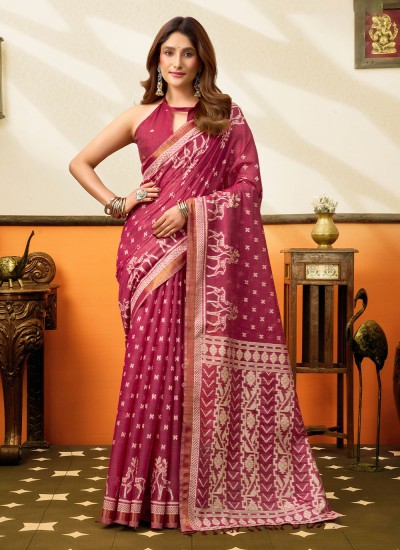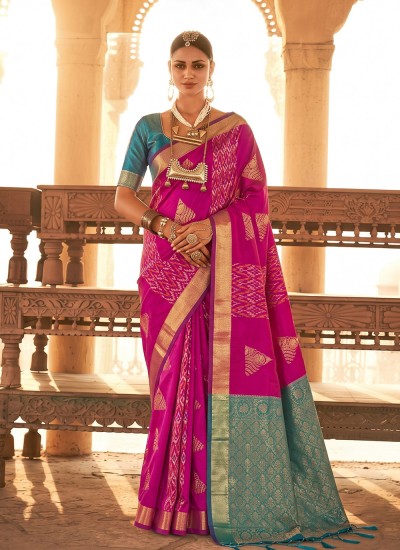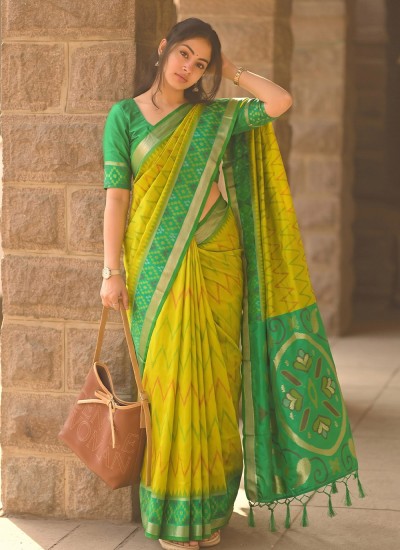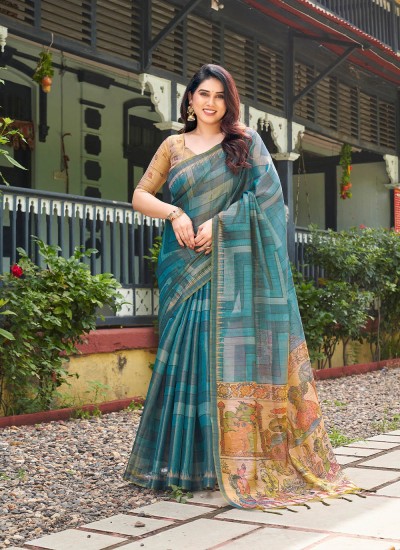



For a business purchasing hundreds of sarees, the biggest challenge is not simply finding a low wholesale price. It is selecting the right products, understanding the actual cost per piece, and purchasing quantities that can be sold profitably. A wrong buying decision can leave capital locked in unsold stock, while a well-planned order can help a retailer replenish popular designs and expand its product range.
Businesses searching for Saree Wholesale in Surat often have different requirements. A saree retailer may need a varied collection for a physical shop, a wholesaler may purchase products for resale to smaller traders, and a distributor may need to coordinate orders across multiple retail outlets. Each business requires a sourcing approach that reflects its customers, budget, and sales channel.
Ajmera Fashion Limited is a Surat-based B2B fashion business offering wholesale saree collections for retailers, boutiques, resellers, wholesalers, and other business buyers. Its online catalogue allows buyers to explore product categories and review product-level information before enquiring about an order.
For bulk buyers, the practical starting point is to identify suitable products, compare their prices and specifications, check the applicable minimum order requirements, and confirm availability directly with the supplier.
A wholesale catalogue may contain products at different price points, with differences in fabric, design, finishing, and intended use. Comparing them only by price can lead to an incomplete purchasing decision.
Consider a retailer choosing between two saree collections. One collection may have a lower purchase price and appeal to customers looking for affordable everyday wear. Another may cost more and suit customers shopping for premium ethnic or occasion wear. The cheaper collection is not automatically the better investment. Its suitability depends on the retailer's customer base, expected selling price, and ability to sell the purchased quantity.
When comparing Saree Wholesale in Surat, evaluate each product against five practical considerations: the specifications, purchase price, applicable minimum quantity, expected customer demand, and availability for the required order.
Product specifications matter because two sarees that look similar in photographs may differ in material, workmanship, or finishing. The price comparison is meaningful only when you understand what each product includes.
Order quantity matters because a low unit price may require a purchase larger than your business can comfortably sell. Demand matters because inventory that remains unsold for months ties up money that could otherwise support replenishment or operating expenses.
Finally, availability matters because a product displayed online is not necessarily available in every quantity at every moment. Confirm the current position before committing to a large purchase.
This approach makes supplier comparison more commercially useful than choosing a wholesaler simply because its advertised price appears attractive.
Ajmera Fashion Limited operates in Surat's Sahara Darwaja and Ring Road textile-market area and offers an online B2B catalogue for businesses exploring wholesale sarees. Buyers can browse different product categories and contact the business to discuss their purchasing requirements.
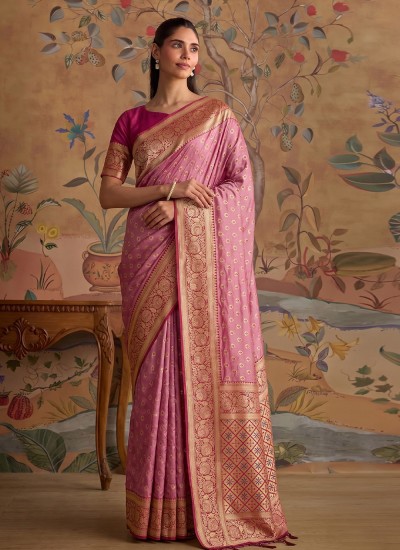
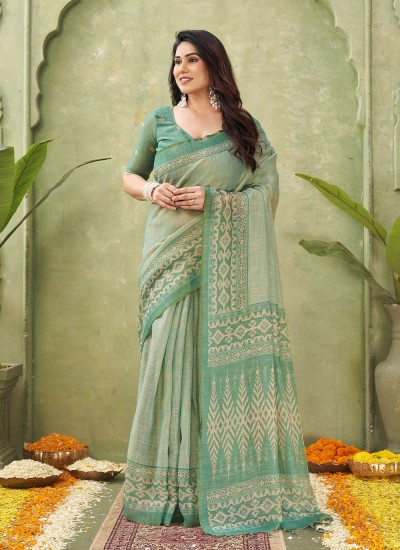
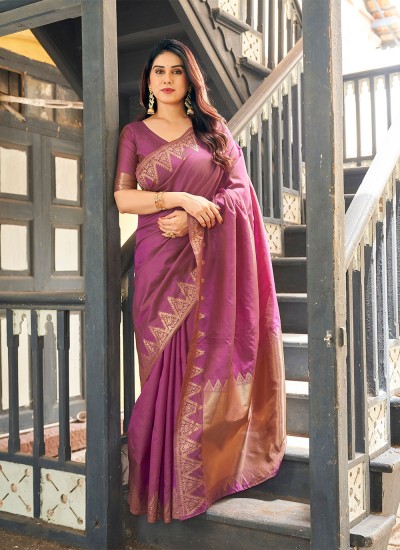
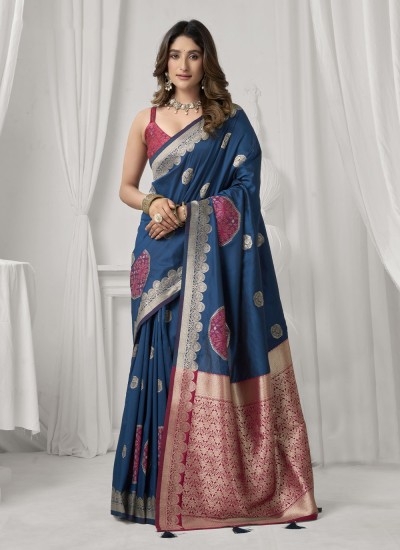
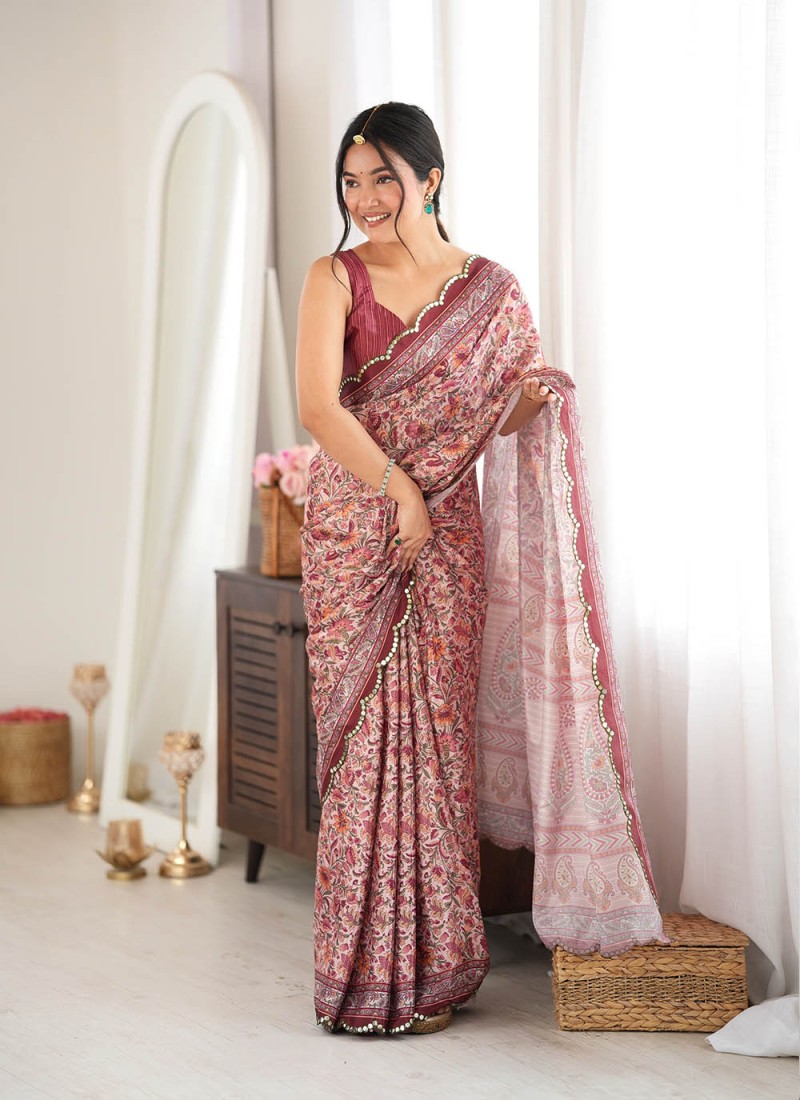
The available collection includes examples of cotton, printed, designer, silk, georgette, chiffon, and other saree styles. The appropriate selection depends on the current catalogue and the needs of the buyer's target market.
For retailers, this range provides an opportunity to compare different product types while planning a collection. For wholesalers and distributors, the catalogue can help identify products to evaluate for their respective customer networks.
Ajmera Fashion Limited also provides a dedicated wholesale saree page with product information and a separate page featuring wholesale sarees with prices. These resources allow buyers to begin product research online instead of relying exclusively on general market quotations.
Businesses searching for Saree Wholesale in Surat can use these pages to shortlist products before contacting the company. The next step is to confirm current prices, product availability, minimum order requirements, payment terms, and dispatch arrangements.
No buyer should assume that every product has identical purchasing conditions. Check the requirements for the specific collection and order you intend to place.
Wholesale pricing is one of the first things bulk buyers evaluate, but the price of a saree cannot be understood without considering its product specifications and order conditions.
The cost of a saree can vary according to its fabric, design, printing, embroidery, embellishment, finishing, and overall product positioning. A basic printed design and a more detailed occasion-wear saree may therefore have substantially different prices.
Ajmera Fashion Limited's online catalogue displays prices for individual products, helping buyers compare actual listings rather than relying entirely on broad market estimates. Selected products and collections may have different prices and purchasing conditions, so buyers should check the current listing for the exact product.
Minimum order quantity, often called MOQ, is another important consideration. A product-level MOQ specifies the minimum quantity applicable to a particular listing, whereas a minimum order value specifies the minimum monetary amount required for an order or offering. These are different conditions and should not be treated as interchangeable.
For example, a buyer who wants several designs should check whether each selected product has its own minimum quantity and whether a separate minimum order value applies. The applicable conditions should be confirmed before payment.
When evaluating Saree Wholesale in Surat, request clarification if the displayed price or order requirement is unclear. Confirm whether the quoted amount applies to one piece, an assortment, or a particular quantity, and establish whether any additional charges apply.
This prevents a common purchasing mistake: estimating the budget using a product's displayed price without understanding the full order conditions.
The purchase price is only the starting point for calculating profitability. Bulk buyers should estimate the landed cost per saree, which includes the purchase price and the relevant expenses incurred in receiving the goods.
Suppose a business purchases 400 sarees at an illustrative price of ₹500 per piece. The merchandise cost is ₹2,00,000. If freight and handling add ₹12,000, the total cost becomes ₹2,12,000 before any other applicable expenses and taxes.
The resulting landed cost is ₹530 per saree, assuming the freight and handling costs are allocated evenly across all 400 pieces.
Now suppose the buyer sells a saree for ₹750. The difference between the selling price and the illustrative landed cost is ₹220 per piece. Across 400 pieces, that would represent ₹88,000 if every piece sold at that price.
However, this is not net profit. Other costs may include shop expenses, staff, marketing, payment processing, discounts, returns, and applicable taxes. The calculation also assumes that all 400 pieces sell at the same price, which may not happen in practice.
This example demonstrates why bulk buyers should calculate total cost before selecting a supplier.
When comparing Saree Wholesale in Surat offers, use the same calculation for each comparable product. Include the relevant purchase price, freight, handling, and other applicable costs. Then compare the resulting landed cost with a realistic selling price for your market.
A low purchase price can be attractive, but the final decision should reflect the product's suitability and the likely return on the capital invested.
Buying in bulk does not necessarily mean buying a large quantity of one design. The appropriate assortment depends on how the business sells and how much demand it can reasonably expect.
A retailer serving a broad customer base may need several product categories and price points. A boutique may prefer a more selective assortment aligned with its positioning. A distributor supplying different retailers may need to consider the requirements of each account before finalising quantities.
Start by reviewing the sales history of your existing products. Identify which designs and categories sell consistently, which generate enquiries without converting into sales, and which remain in stock for long periods.
If you are starting a new business, use market research and discussions with potential customers to develop an initial assortment. Avoid treating every product in a catalogue as equally suitable for your customers.
When exploring Saree Wholesale in Surat, shortlist products according to specific buying criteria. These might include the intended customer segment, acceptable purchase cost, expected retail price, product specifications, and quantity required.
Next, compare the shortlisted products and decide how much capital should be allocated to each category. Keep enough flexibility in your budget to handle replenishment and operating expenses after the initial purchase.
A useful practice is to separate proven products from experimental purchases. Products with a reliable sales history may justify repeat orders, provided availability is confirmed. New designs should be evaluated more cautiously until there is evidence of customer demand.
This method helps businesses build a collection around purchasing evidence rather than simply increasing the number of products they hold.
Although retailers, wholesalers, and distributors all purchase products for commercial purposes, their buying decisions are not identical.
A retailer generally needs stock that can be sold directly to customers. Its purchasing decision should account for store positioning, available shelf space, customer preferences, and the retail price it can realistically achieve.
A wholesaler may purchase sarees to sell to other traders or retailers. This buyer needs to evaluate the resale price, the demand among downstream businesses, and the costs of handling and distributing inventory.
A distributor may coordinate purchases across several retail accounts. Its requirements can include quantities needed for confirmed orders, stock allocation, delivery scheduling, and the availability of products for future replenishment.
For all three business types, Saree Wholesale in Surat is most useful when the supplier's catalogue and commercial terms match the buyer's specific operating model.
Before placing a large order, distinguish confirmed customer demand from an estimate. A retailer's confirmed purchase order is different from an informal enquiry, and neither guarantees that future demand will remain constant.
For distributors, it is particularly important to verify available quantities before committing to downstream delivery dates. A design may not remain available indefinitely, so repeat-order expectations should be confirmed directly with the supplier.
Maintaining clear purchase records can also improve planning. Record product references, quantities, costs, delivery information, and sales performance. These records help identify which products are worth reordering and where purchasing quantities should be adjusted.
Unsold inventory is a major commercial risk for businesses purchasing fashion products. Money spent on stock cannot be used for other business requirements until the inventory is sold or otherwise converted into cash.
The risk increases when buyers purchase large quantities of unfamiliar designs without examining their customer demand. A product can look attractive in a catalogue and still fail to sell at the intended price.
Before purchasing, review the stock already available in your business. If a category contains several slow-moving products, adding more similar designs may increase the problem rather than solve it.
When assessing Saree Wholesale in Surat, connect the proposed order to a specific sales plan. Identify the customer segment for each selected category, estimate the quantity that can reasonably be sold, and decide when the inventory should be reviewed.
For existing products, sales history can help guide the decision. For unfamiliar products, start with a quantity that matches the available budget and the supplier's purchasing terms, where smaller test orders are permitted.
Seasonal demand also deserves attention. Sarees purchased for a particular festive or wedding period may face different sales conditions once that period passes. The timing and effect depend on the customer base and local market, so buyers should use their own sales information rather than assuming every seasonal product will sell quickly.
A practical inventory review should track the quantity purchased, the quantity sold, the remaining stock, and the time taken to sell it. This provides a better basis for future buying decisions than judging performance only by the original purchase price.
Online sourcing gives buyers a way to explore products before visiting a supplier or placing a wholesale enquiry. This is particularly useful for businesses located outside Surat that want to shortlist products remotely.
Ajmera Fashion Limited provides an online B2B saree catalogue where buyers can review available products and use the displayed information to identify relevant options. Its dedicated wholesale pages can help buyers begin the sourcing process online.
Before ordering, examine the product information carefully. Verify the specifications that matter to your business and ask for clarification if anything is missing. Photographs may not fully communicate fabric texture, colour variations, finishing, or other product characteristics.
For a bulk purchase, confirm the product reference, current price, applicable MOQ or minimum order value, available quantity, payment conditions, and dispatch details. Keep written records of the terms agreed upon.
Online sourcing can make it easier to compare options, but it should not replace verification. A buyer should not assume that a product's availability, price, or order conditions will remain unchanged without confirmation.
Businesses searching for Saree Wholesale in Surat can use the online catalogue to shortlist suitable products and then contact Ajmera Fashion Limited to discuss the specific order.
A focused enquiry can make the purchasing process more efficient. Instead of sending a general request for wholesale sarees, identify the product categories and estimated quantities relevant to your business.
Start by browsing the available collection. Record the product names or references of the sarees you are interested in and check the displayed product information.
Next, prepare the questions that matter to your order. Confirm the current price, applicable minimum quantity or minimum order value, stock availability, payment terms, and dispatch arrangements. If you require multiple designs, ask how the purchasing conditions apply to the selected products.
You should also explain your intended purchase clearly. A retailer replenishing stock for one store may have different requirements from a distributor purchasing for multiple retail accounts. Providing this context helps the supplier understand the enquiry.
Ajmera Fashion Limited's wholesale catalogue and enquiry pages provide a starting point for this process. Buyers can review the available options and contact the business directly to confirm the details relevant to their purchase.
For businesses comparing Saree Wholesale in Surat, this process helps move the decision from general research to a product-specific commercial discussion.
The best wholesale purchase is not necessarily the largest order or the one with the lowest advertised unit price. It is the purchase that matches the buyer's product requirements, available capital, sales channel, and expected demand.
Ajmera Fashion Limited offers a B2B platform through which businesses can explore saree collections and enquire about wholesale purchasing. Buyers can use the available product information to compare options and identify the products most relevant to their customers.
Before confirming a bulk order, calculate the landed cost, review the applicable order conditions, verify product availability, and consider how the inventory will be sold. These steps can help prevent avoidable purchasing errors and make the decision more commercially informed.
If your business is looking for Saree Wholesale in Surat, start by exploring Ajmera Fashion Limited's wholesale saree collection. Shortlist the products that fit your requirements and contact the company to confirm current prices, availability, and purchasing terms.
A well-planned sourcing decision gives bulk buyers a clearer understanding of what they are purchasing, how much the order will cost, and how the products fit into their wider business strategy.
Ajmera Fashion Limited is a Surat-based B2B fashion business with an online wholesale saree catalogue. Buyers can review the available products and contact the company to confirm current prices, quantities, and purchasing conditions.
The company's online catalogue includes examples of cotton, printed, designer, silk, georgette, chiffon, and other saree styles. Availability depends on the current collection, so buyers should verify the specific products they require.
The applicable minimum depends on the product and wholesale offering. Product-level minimum quantities and minimum order value requirements are different, so confirm the conditions for your selected products before ordering.
Compare products with similar specifications and include relevant freight, handling, and other purchasing costs. Then evaluate the resulting landed cost against a realistic selling price for your market.
You can begin the sourcing process through Ajmera Fashion Limited's online B2B catalogue. Before confirming an order, contact the company to verify product availability, pricing, applicable order requirements, and dispatch arrangements.
Consider your target customers, sales history, product specifications, available capital, and expected demand. Avoid allocating most of your budget to unfamiliar products without a clear reason to expect sales.
No. Profitability depends on the total cost, achievable selling price, customer demand, and the time required to sell the stock. A lower purchase price does not guarantee that the product will generate better returns.
Visit the company's wholesale saree catalogue or wholesale enquiry page. Shortlist your required products and ask the company to confirm current prices, minimum order requirements, stock availability, and dispatch details.


Ajmera Fashion Limited presents an enchanting set of Ch...