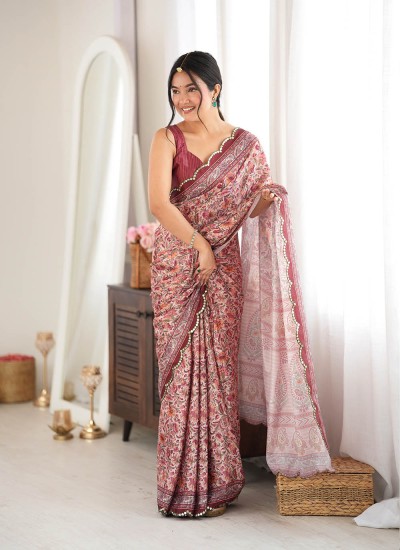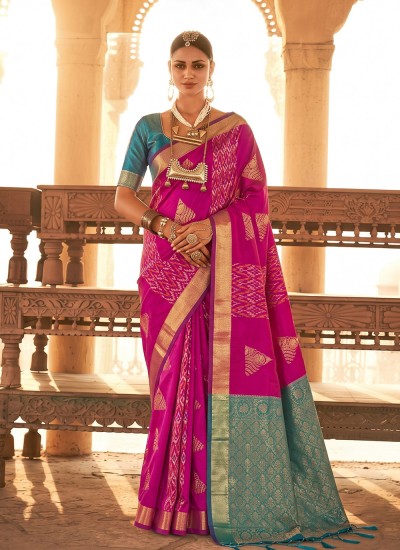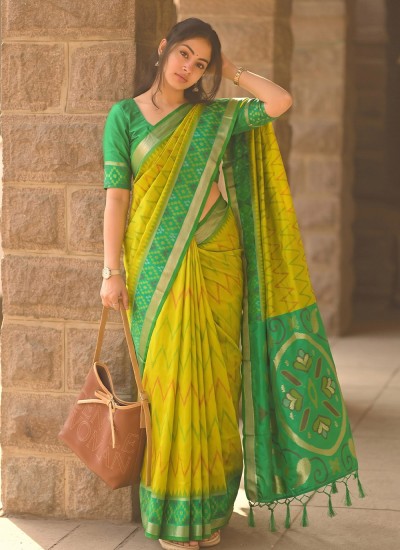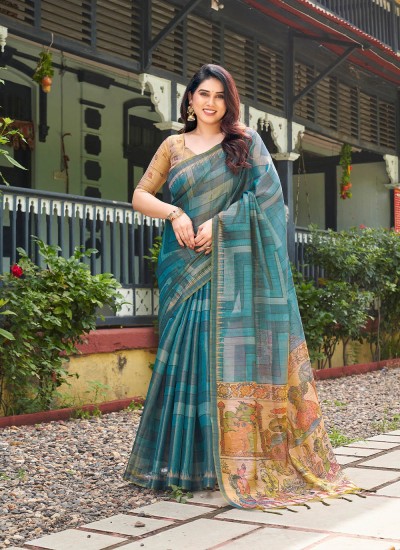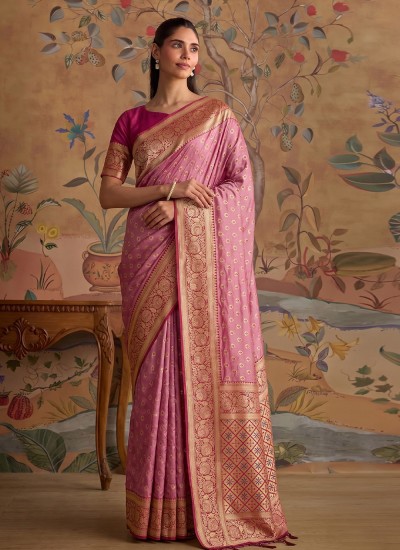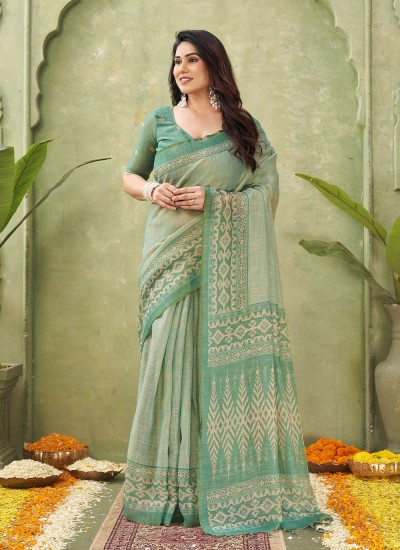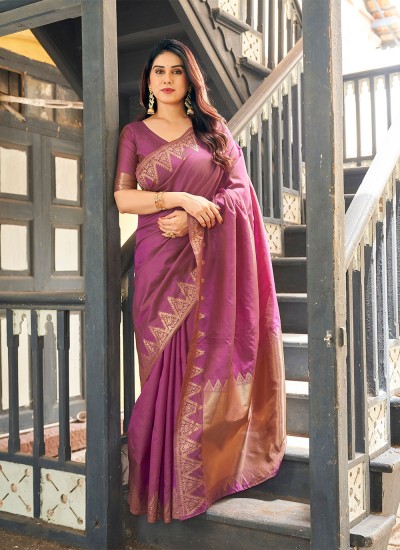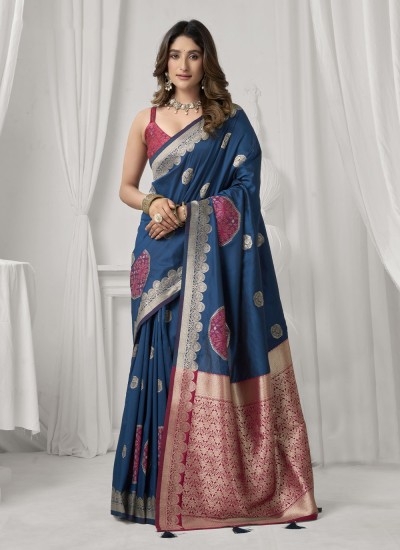

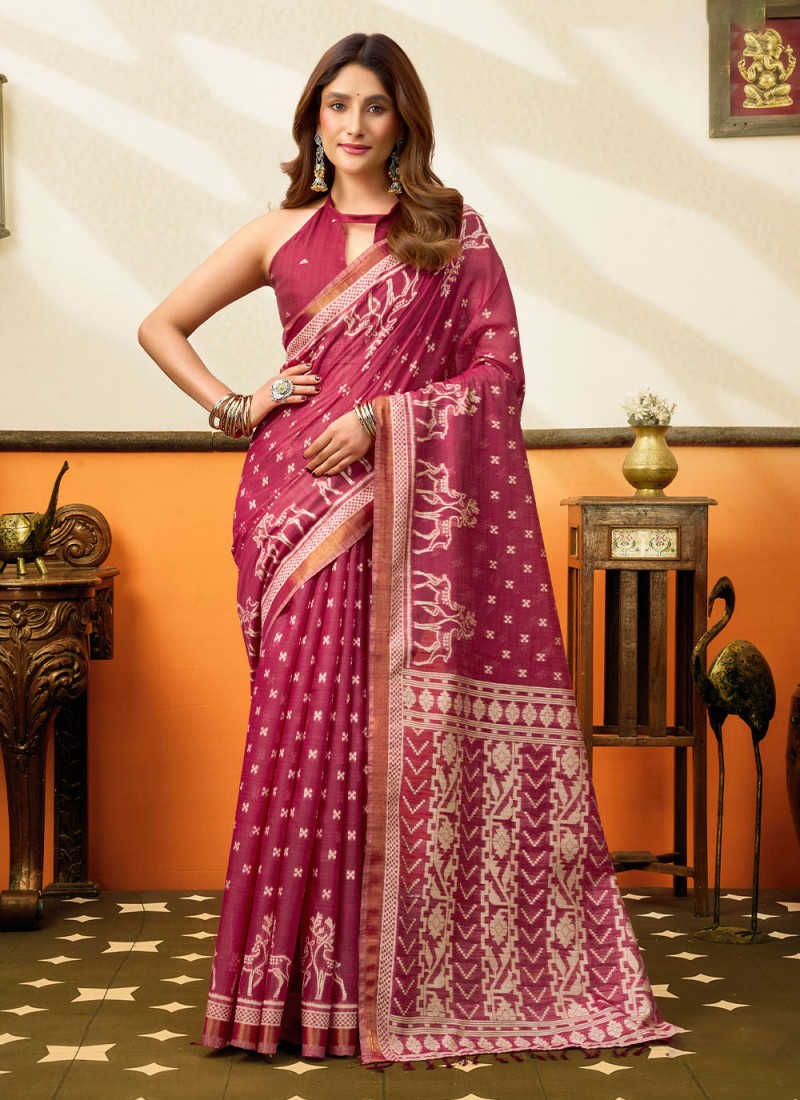
For a saree retail business, purchasing products at the right wholesale price can directly affect profitability, stock turnover and the ability to offer customers different designs within their budgets. Retailers need more than a low purchase price. They need sarees that suit their customers, provide a reasonable resale opportunity and can be reordered when particular designs perform well.
This is why Saree Wholesale in Surat is an important sourcing option for saree shop owners, boutique operators, resellers and online fashion businesses across India. Surat has an established textile trading ecosystem, with suppliers offering different saree fabrics, prints, designs and price segments. The challenge for retailers is identifying products that match their business model rather than purchasing stock based on price alone.
Ajmera Fashion Limited is a Surat-based B2B fashion supplier that provides an online catalogue for business buyers exploring wholesale saree collections. Retailers can review available designs, compare product-level prices and enquire about purchasing requirements before finalising an order. The company's wholesale saree collection is a starting point for businesses looking to source sarees from Surat.
Retailers operate with different budgets, customer profiles and sales volumes. A neighbourhood saree shop may focus on affordable daily-wear products, while a boutique may require distinctive designs for festive occasions, family functions and celebrations. Online sellers may need visually appealing products at price points that remain competitive after packaging, shipping and marketplace expenses.
Choosing the right Saree Wholesale in Surat supplier helps retailers explore products across different price categories. Instead of investing the entire purchasing budget in one expensive collection, a retailer can plan an assortment around the needs of its customers.
For example, a store serving price-conscious customers may prioritise printed sarees and regular-wear designs. A shop in a market with stronger festive demand may allocate more budget to occasionwear and designer styles. A boutique may prefer a smaller, carefully selected range with distinctive patterns and premium presentation.
The objective is not to purchase the cheapest sarees available. It is to source products at a cost that supports the retailer's intended selling price, expected demand and operating expenses.
An affordable saree should meet the expectations of the customer who is likely to purchase it. Fabric appearance, print clarity, colour, finishing, blouse-piece inclusion and overall presentation can influence the product's perceived value. These factors should be evaluated alongside the wholesale price.
When comparing Saree Wholesale in Surat suppliers, retailers should compare similar products rather than treating every saree as equivalent. A basic printed saree and a heavily embellished occasionwear saree have different material and workmanship requirements. A price difference does not automatically mean one supplier is more expensive for an equivalent product.
Retailers should review the exact product specifications, available photographs or videos, fabric descriptions and applicable order quantity. For remote purchasing, clear product information is especially useful because the buyer may not be able to inspect the saree physically before ordering.
It is also important to confirm whether the displayed product is currently available. A design appearing in an online catalogue does not necessarily guarantee that every colour or quantity remains in stock. Before committing the purchasing budget, ask the supplier to confirm the current price, stock availability, minimum order quantity and applicable shipping charges.
This approach makes affordable wholesale sourcing more systematic. Instead of selecting products based on a low headline price, retailers can compare the complete purchasing conditions.
There is no single price for all wholesale sarees in Surat. The cost depends on fabric, printing technique, design complexity, embroidery, embellishment, finishing and product positioning. Order quantity and supplier-specific commercial terms may also affect the final purchasing decision.
Budget-oriented collections may suit retailers looking for accessible everyday sarees, while premium and designer collections serve customers with different expectations and spending capacity. Ajmera Fashion Limited's published wholesale information includes selected sarees promoted from ₹99, but this should not be interpreted as the price of every saree in its catalogue. Buyers should check the current price of each product they intend to purchase.
Retailers searching for Affordable Saree Wholesale in Surat should compare the purchase price with the expected retail selling price. A low-cost product may provide an opportunity for a competitive selling price, but its commercial value depends on whether customers actually want the design and whether the product meets their expectations.
Consider a hypothetical purchase of 100 sarees at ₹300 per piece. The product cost would be ₹30,000. If transportation and other purchase-related expenses total ₹3,000, the effective inventory cost becomes ₹33,000, or ₹330 per saree.
If the retailer sells each saree for ₹450, the difference between the selling price and the calculated inventory cost is ₹120 per piece. Across 100 sarees, that represents ₹12,000 before shop rent, staff expenses, marketing, payment fees, taxes where applicable, discounts, damaged stock and other operating costs.
This example illustrates why retailers should calculate the effective cost per piece rather than evaluating a supplier only by its quoted price. Actual results will depend on the final selling price, expenses and quantity sold.
A profitable saree retail business needs an inventory plan that reflects actual customer demand. Purchasing too many designs without understanding local preferences can tie up working capital in slow-moving stock. Buying too few products may limit the store's ability to serve customers looking for different colours, patterns and occasions.
Before placing a bulk order, retailers should consider which saree categories sell consistently, which products are seasonal and which designs are suitable for testing. Everyday-wear collections may support regular sales, while festive and occasionwear products can serve demand during specific periods.
A business sourcing through Saree Wholesale in Surat can organise its purchasing plan by customer segment. A value-focused store may concentrate on affordable products with broad appeal. A multi-category retailer may combine daily-wear sarees with selected fashion and occasionwear designs. A boutique may place greater emphasis on styling, exclusivity and product presentation.
For new businesses, a controlled initial purchase can help assess customer response before committing more capital to a particular category. However, the quantity must still satisfy the supplier's minimum order requirements. Retailers should verify product-level minimum order quantities and any minimum order value before planning the order.
The most useful inventory decision is one that balances variety, available capital, customer preferences and the supplier's purchasing terms.
Surat is a significant textile sourcing centre in India, making it a practical location for businesses exploring different saree collections and price segments. Its textile trading ecosystem includes businesses dealing in printed fabrics, synthetic and blended materials, fashion sarees and other ethnic-wear products.
For retailers outside Gujarat, online B2B catalogues can make the initial sourcing process more convenient. Buyers can shortlist products, review available prices and contact suppliers before deciding whether an in-person visit is necessary.
When evaluating Saree Wholesale in Surat, however, location alone should not determine the supplier choice. Retailers should examine product information, current stock, order conditions, communication, delivery arrangements and the supplier's ability to support their business requirements.
A reliable sourcing process also requires clear documentation. Before making payment, confirm the product names or codes, quantities, agreed prices, applicable taxes, shipping charges, dispatch expectations and the procedure for addressing discrepancies or damaged products. Keep written confirmation of the agreed commercial terms.
These checks are useful for both first-time buyers and established retailers placing repeat orders.
Starting a saree shop requires careful allocation of capital. New retailers often need to spend on inventory, shop setup, displays, packaging, marketing and day-to-day operations. Spending too much on the first inventory purchase can leave insufficient funds for the other expenses required to operate the business.
A practical approach is to define the target customer before selecting products. Decide whether the store will primarily serve customers looking for everyday sarees, affordable festive options, premium ethnic wear or a combination of categories. Then shortlist products that fit the intended price range.
Retailers should also distinguish between product cost and total business cost. The wholesale invoice is only one component of the money required to make products available for sale. Freight, packaging, storage, marketing, payment processing and unsold inventory can all affect the final result.
For this reason, businesses looking for Saree Wholesale in Surat should avoid assuming that a lower purchase price automatically guarantees a higher profit. The better decision is to select products that match customer demand while keeping the total inventory investment within a manageable budget.
New retailers should also ask about repeat availability. If a design sells well, the ability to source the same product or a comparable alternative may help maintain consistency in the store's assortment. Reorder availability should be confirmed with the supplier rather than assumed.
Ajmera Fashion Limited is based in Surat, Gujarat, and provides an online B2B platform for retailers, boutiques, resellers, wholesalers and other fashion businesses. Buyers can explore the available saree catalogue to identify products suited to their target customers and intended retail price points.
Retailers interested in Affordable Saree Wholesale in Surat can begin by reviewing the available products and noting the designs, prices and product codes relevant to their business. Before placing an order, they should confirm current availability, applicable minimum order quantities, minimum order value, shipping costs and other commercial terms directly with the company.
The supplier's published catalogue includes multiple saree styles and price segments, so the appropriate selection will depend on the buyer's inventory plan. Businesses should evaluate each product individually rather than assuming that one price or minimum order quantity applies across the entire range.
You can explore the Ajmera Fashion Limited wholesale saree collection to review available products and pricing information.
For retailers who want to source from Surat without making every initial product-selection decision in person, an online catalogue can simplify shortlisting and supplier communication. The final purchase should still be based on confirmed product details and written commercial terms.
The quality of a wholesale purchase is determined by more than the number of sarees acquired or the discount offered. Retailers need products that suit their customer base, an inventory quantity that matches expected demand and a total cost that leaves room for business expenses.
Before ordering, compare similar products, calculate the landed cost per piece, check the minimum order requirements and establish a realistic selling price. Review previous sales wherever possible, and be cautious about purchasing large quantities of unfamiliar designs simply because their wholesale prices appear attractive.
For businesses evaluating Saree Wholesale in Surat, a structured buying process can improve purchasing decisions and reduce avoidable inventory risks. It also makes supplier comparisons more meaningful because each quotation is assessed against the same product specifications and cost assumptions.
Affordable wholesale sourcing works best when price, product suitability and resale potential are considered together. Retailers who apply these principles can build a more balanced saree collection and make better use of their purchasing budget.
Retailers can explore wholesale saree suppliers and online B2B catalogues serving the Surat textile market. Ajmera Fashion Limited offers an online saree catalogue where business buyers can review available products and check applicable pricing and order conditions.
Prices vary by product and supplier. Ajmera Fashion Limited has promoted selected sarees from ₹99, but this is not a universal price for all sarees. Check the current listing for the exact product you want to purchase.
Yes, subject to the supplier's minimum order quantity and minimum order value. Retailers should confirm the applicable requirements before finalising their purchasing budget.
Add the purchase price and applicable per-piece costs, including allocated freight and handling, to calculate the effective inventory cost. Subtract that amount from the actual selling price to estimate the amount remaining before other operating expenses. Unsold stock, discounts, taxes and returns can affect the final result.
The appropriate selection depends on the store's customers, local demand and target selling prices. Retailers may consider printed, daily-wear, cotton, georgette or other available styles, but should check product specifications and current availability before purchasing.
Confirm the product code, fabric details, design, quantity, current price, minimum order quantity, minimum order value, taxes, shipping charges, dispatch expectations and the supplier's policies for discrepancies or damaged goods.
Yes. Online B2B catalogues allow retailers to shortlist products and initiate supplier enquiries remotely. Buyers should verify product availability and commercial terms before making payment.
A low purchase price does not guarantee customer demand or a satisfactory resale margin. Fabric, finishing, design appeal, total landed cost and the likelihood of selling the inventory all influence the commercial value of a wholesale purchase.
Finding affordable Saree Wholesale in Surat is an important step for retailers who want to control purchasing costs while building a collection that meets customer expectations. The strongest buying decisions combine competitive pricing with product suitability, clear supplier terms and realistic inventory planning.
Ajmera Fashion Limited provides a Surat-based B2B sourcing option for retailers and other fashion businesses exploring wholesale sarees. Review the available catalogue, compare products against your target retail segment and confirm the current prices and order requirements before purchasing.
The goal is not simply to buy more sarees for less money. It is to source the right sarees at a sustainable cost, sell them to the right customers and manage inventory in a way that supports the long-term growth of your retail business.


Ajmera Fashion Limited presents an enchanting set of Ch...