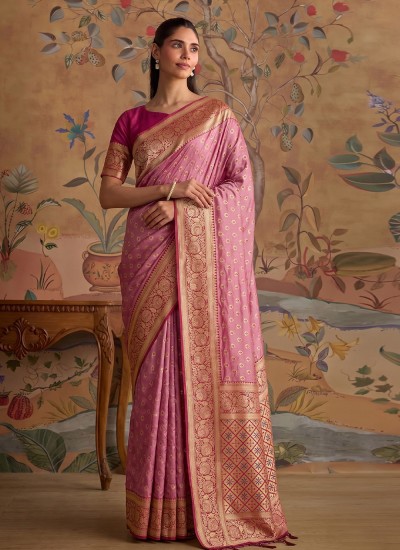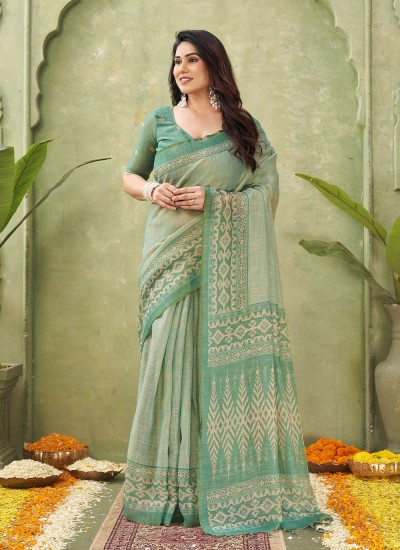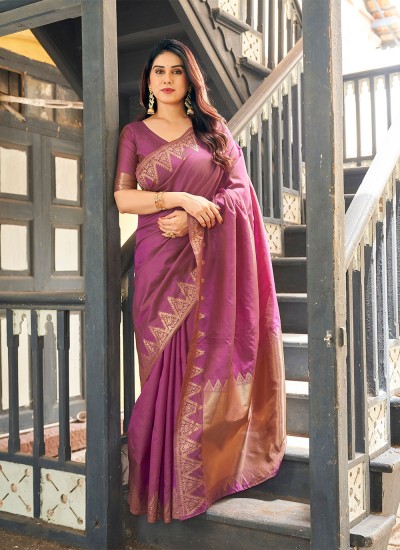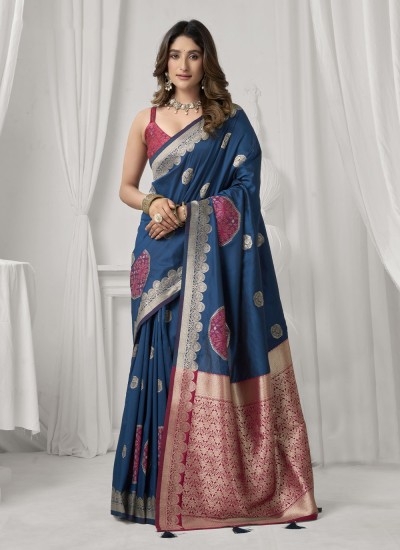

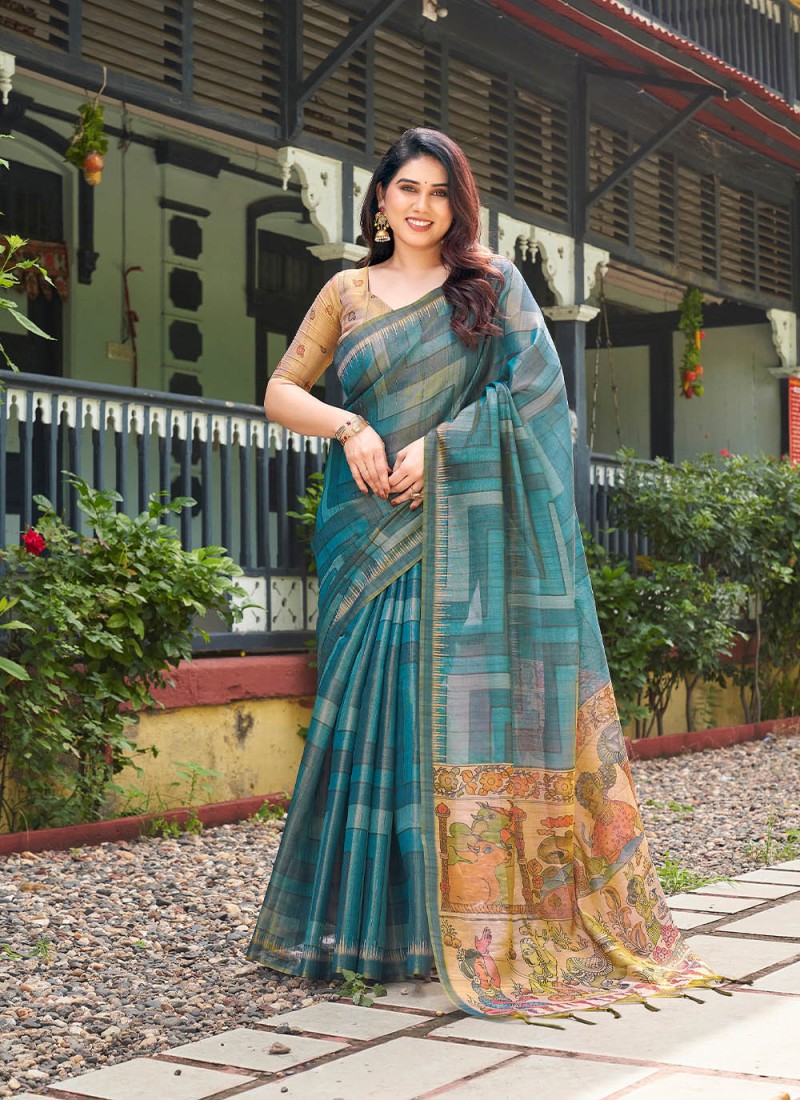


Running a saree retail shop requires more than purchasing attractive designs and displaying them in a showroom. Every buying decision affects inventory investment, product variety, customer satisfaction and the money available for the next purchase. For shop owners, finding the right wholesale supplier is therefore a business decision that directly influences how efficiently the store operates.
Surat is an established textile sourcing destination for retailers looking to explore different saree designs, fabrics and fashion categories. However, the real challenge is not simply finding products in the wholesale market. It is identifying sarees that suit your customers, selecting quantities that match your sales potential and establishing a sourcing process that supports repeat business.
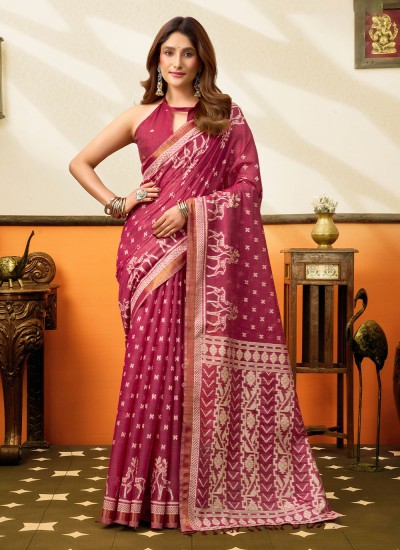
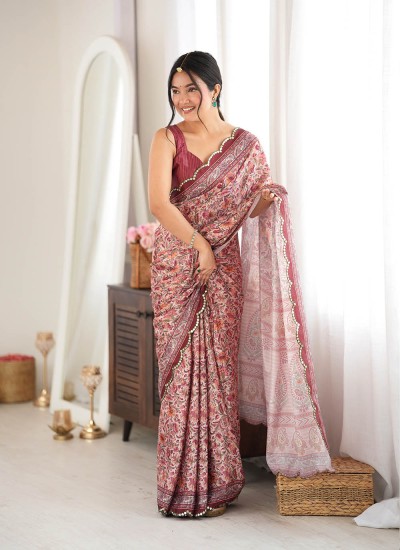
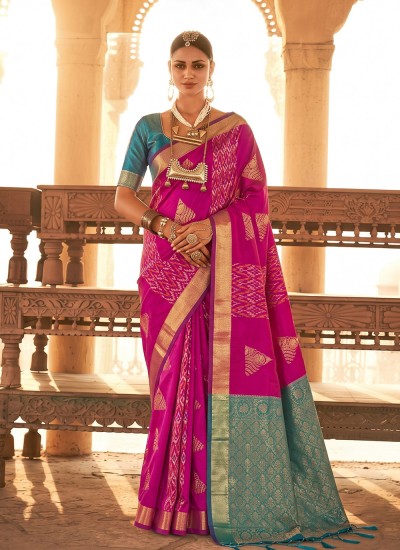
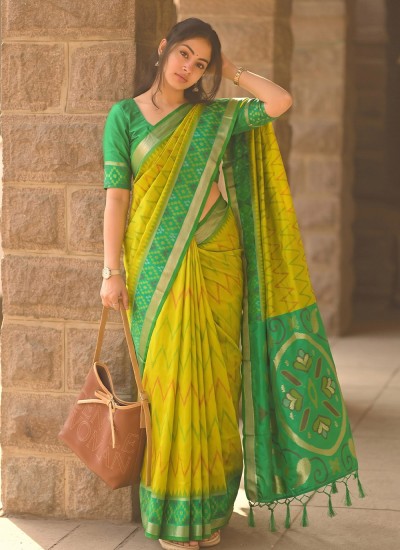
Ajmera Fashion Limited provides an online B2B catalogue where retailers can explore available saree products and enquire about relevant designs. For shop owners building a new collection or updating an existing one, the catalogue provides a starting point for product research before making purchasing decisions.
This guide explains how retail businesses can approach Saree Wholesale in Surat with a stronger focus on inventory planning, product selection, profitability and long-term sourcing requirements.
Surat has a well-established textile trading ecosystem that attracts businesses looking for sarees and other Indian ethnic wear products. Its textile market includes businesses involved in manufacturing, processing, wholesale trading and distribution, creating different sourcing options for retail buyers.
For a saree shop owner, the advantage of exploring this market is the opportunity to evaluate different product categories according to the store's positioning. A shop serving customers who prefer traditional everyday sarees may require a different assortment from a boutique targeting festive occasions, weddings or contemporary ethnic fashion.
The sourcing process should begin with your customers rather than the supplier's entire catalogue. Consider which designs sell consistently, which price ranges attract the most enquiries and which product categories are missing from your current collection. These observations can help you identify what to purchase next.
Retailers should also distinguish between a product that looks attractive and one that fits their business requirements. A saree may photograph well but still be unsuitable for the store's customers because of its price, fabric, styling or intended occasion.
When researching Saree Wholesale in Surat, evaluate suppliers according to the products they actually offer, the information available about those products and the commercial terms they can confirm. This approach creates a stronger foundation for purchasing than choosing products solely on appearance or promotional pricing.
One of the most common inventory challenges for retail saree businesses is purchasing products without a clear assortment strategy. A collection that contains too many similar designs can limit variety, while an assortment that covers too many unrelated styles can make the shop's identity less clear.
The solution is to build your assortment around identifiable customer groups.
For example, a shop serving customers who regularly purchase sarees for everyday use may need versatile designs and practical fabric choices. A store located in a market with strong festive demand may require more occasion-oriented products. A boutique with a premium customer base may prioritise distinctive designs and carefully selected collections.
Printed sarees, cotton sarees, georgette sarees, silk sarees and designer sarees can serve different customer preferences. However, their suitability depends on the actual product specifications, design, selling price and your customers' expectations.
Retailers should examine the products available from a supplier and compare them against their existing inventory. If a particular category is already well represented but rarely sells, purchasing more of the same category may not solve the problem. A different design direction or price segment may be more appropriate.
Ajmera Fashion Limited's online saree catalogue allows business buyers to explore listed products and identify designs for further consideration. Retailers should verify the actual fabric, available colours, product specifications and current availability before deciding which products to purchase.
A carefully selected assortment is more useful than a large collection that does not reflect the needs of the store's customers.
Inventory planning is one of the most important skills for a saree retailer. Purchasing too much stock can tie up working capital, while purchasing too little of a consistently selling category can create missed sales opportunities.
Before placing an order, review your recent sales records. Identify which product categories sell regularly, which designs attract customer interest and which products remain unsold for extended periods. Even a simple spreadsheet recording purchase date, product category, quantity purchased, quantity sold and remaining stock can reveal useful patterns.
Suppose your shop consistently sells printed sarees within a particular price segment but has several slow-moving premium designs. Your next purchasing decision should reflect that difference rather than dividing the buying budget equally across every category.
The same principle applies to seasonal demand. Festive and wedding-related products may require different purchasing timelines from everyday collections. Retailers should consider when their customers are likely to purchase a category and allow sufficient time for sourcing and stock preparation.
A useful inventory review should also identify duplicate products. If several designs have similar colours, patterns and selling prices, they may compete for the same customer rather than expand the range meaningfully.
When evaluating Saree Wholesale in Surat options, retailers should therefore connect product selection with actual sales information. This makes purchasing decisions more measurable and reduces dependence on guesswork.
Wholesale price is important, but it does not determine profitability on its own. A retailer must consider the complete cost of bringing a product into the store and the selling price customers are willing to pay.
Start by confirming the supplier's actual price for the selected product. Then account for relevant expenses such as transportation, packaging, handling, applicable taxes and other costs associated with acquiring the inventory.
For example, assume a saree costs ₹800 from a supplier and the additional attributable costs are ₹50. The total cost becomes ₹850 before any other applicable expenses. If the product sells for ₹1,100, the gross profit before other store expenses is ₹250.
This represents a gross margin of approximately 22.7% of the selling price, not a 29.4% margin. The distinction matters because markup and gross margin use different calculation bases.
Gross margin = (Selling Price − Total Product Cost) ÷ Selling Price × 100
Retailers should use their actual purchase costs and expected selling prices rather than relying on generic claims about the margins available in saree retailing.
It is equally important to consider how quickly products sell. A product with a higher potential margin may still be a poor purchasing decision if it remains in inventory for a long time. A product with a more moderate margin may contribute more consistently to cash flow if customers purchase it regularly.
When comparing wholesale suppliers, evaluate both the cost of the product and its suitability for your target market. The objective is to purchase merchandise that supports the store's commercial goals, not simply to obtain the lowest quoted price.
The relationship between a retailer and a supplier extends beyond the first order. Shop owners need accurate product information, clear purchasing conditions and a practical way to clarify issues before committing money to inventory.
Begin by examining the supplier's product listings. Check whether the available information identifies the relevant fabric, design, colour and other important specifications. If the details are incomplete, ask for clarification rather than making assumptions from photographs.
Next, establish the applicable commercial conditions. Confirm current pricing, product availability, minimum order requirements where applicable, payment arrangements and dispatch timelines. These details should be verified for the specific products you intend to purchase.
Retailers should also ask how product variations are handled. If a design is available in multiple colours or versions, confirm which options are currently available. Do not assume that a product will remain in stock simply because it appeared in an earlier catalogue.
Another important consideration is product identification. When enquiring about several sarees, maintain their titles or product codes so that each conversation refers to the correct item. This becomes especially useful when comparing products with similar designs.
Ajmera Fashion Limited can be explored as part of your supplier evaluation process. Retailers can browse its available saree products and contact the company to confirm the specifications and purchasing terms relevant to their requirements.
The best sourcing decision comes from verified product information and clear commercial communication rather than unconfirmed claims about a supplier.
Unsold inventory can affect a retail business even when the original purchasing price appears attractive. Money invested in slow-moving products cannot be used as easily to replenish categories that customers are actively purchasing.
Retailers can reduce this risk by reviewing existing stock before buying additional products. Identify designs that have remained unsold, examine whether the issue relates to price or customer preference, and avoid automatically repeating purchases in categories that already have excess inventory.
A product-level sales record can make this process more effective. Track the number of units purchased, the number sold and the time required to sell them. Over several purchasing cycles, these records can help distinguish consistently performing categories from products that attract initial attention but generate few actual sales.
Product variety also needs to be managed carefully. Buying many similar sarees may create the impression of a large collection without offering customers meaningful choices. Instead, consider whether each new product introduces a useful difference in pattern, colour, fabric or intended occasion.
Retailers should also be cautious about purchasing unfamiliar designs in quantities that exceed their ability to sell them. Where supplier terms permit, evaluating customer response through a smaller initial purchase can provide useful information before committing to a larger order.
These decisions are particularly important when sourcing through Saree Wholesale in Surat, because the availability of numerous designs can make it tempting to purchase more products than the store actually needs.
A disciplined inventory process helps retailers preserve working capital while continuing to develop their collections.
Online catalogues have changed how retailers research products and contact suppliers. A shop owner can review available designs, identify relevant products and prepare specific questions before beginning a purchasing discussion.
This can be particularly useful for businesses located outside Surat. Rather than travelling immediately, retailers can begin their research remotely and establish whether the available products fit their requirements.
However, online product discovery has limitations. A photograph cannot always establish the exact fabric composition, finishing, colour or construction of a saree. Buyers should check the product specifications and request clarification whenever an attribute could affect the purchasing decision.
Retailers should also distinguish between a listed product and confirmed current availability. A catalogue is useful for identifying products of interest, but the supplier should confirm stock and commercial conditions before the order is finalised.
Ajmera Fashion Limited's online B2B catalogue provides a starting point for this process. Retailers can explore the available saree listings, shortlist suitable products and use the available WhatsApp enquiry option where provided to request further information.
A well-prepared enquiry should identify the product and explain exactly what needs confirmation. This is more effective than sending a general message asking for all available sarees without defining the store's requirements.
Ajmera Fashion Limited is a Surat-based fashion and textile business with an online B2B catalogue for business buyers. Retailers interested in expanding their saree collections can use the available listings to discover products and identify designs that warrant further evaluation.
For a retail shop owner, the first step is to determine which product categories match the store's customers. After that, browse the available listings and shortlist products based on their displayed information and relevance to the planned assortment.
Before purchasing, confirm the product specifications, current availability and applicable commercial terms directly with the company. This is particularly important when the purchase involves multiple designs or when specific product attributes are essential to the store's offering.
Retailers should also keep their own purchase records. Recording product titles, codes, confirmed specifications and supplier communication makes it easier to track inventory and evaluate future sourcing decisions.
A successful wholesale relationship is not defined by the size of the first purchase. It depends on whether the products suit the business, the terms are clearly understood and the sourcing process supports the retailer's ongoing needs.
If you are exploring Saree Wholesale in Surat, Ajmera Fashion Limited's catalogue provides a place to begin identifying products for your store. Review the available designs, enquire about the products that fit your requirements and make purchasing decisions based on verified information.
Retailers can explore Surat-based textile businesses through their online catalogues and direct business enquiry channels. Ajmera Fashion Limited provides an online B2B saree catalogue where shop owners can review listed products and enquire about relevant designs.
Begin with your sales records, customer preferences and existing stock. Identify categories that sell consistently, products that are missing from your assortment and designs that may not justify additional inventory. Use these observations to guide your next purchasing decision.
Verify the fabric composition, design, colour and other relevant product specifications. Confirm current availability, pricing, applicable order requirements, payment arrangements and dispatch timelines directly with the supplier before finalising your purchase.
Calculate the total attributable product cost, including relevant purchasing expenses, and subtract it from the selling price. Divide the resulting gross profit by the selling price and multiply by 100 to calculate the gross margin percentage.
No. Product suitability, quality, customer demand, additional costs and stock turnover also affect the commercial outcome. A cheaper product may not provide a better result if it does not sell or fails to meet customer expectations.
Yes. Retailers can browse the company's available online saree listings and enquire about products that match their requirements. Product specifications, availability and purchasing conditions should be confirmed directly before ordering.
Review sales records, monitor how long products remain unsold and avoid repeatedly purchasing categories that already have excess stock. Build the assortment around actual customer preferences instead of selecting products solely because they look attractive.
Identify the product by its title or code where available. Explain which details you need, such as fabric specifications, colour options, current availability, pricing or dispatch information. A focused enquiry helps the supplier respond to your actual requirements.
The purchasing decision should reflect the store's available capital, customer segment and ability to manage inventory. New retailers should carefully evaluate the product range and applicable order conditions before committing to quantities that could strain working capital.
Maintain clear product records, communicate specific requirements and confirm commercial terms before each order. Review product performance and verify current availability when reordering rather than assuming that previous designs or conditions will remain unchanged.


Ajmera Fashion Limited presents an enchanting set of Ch...